
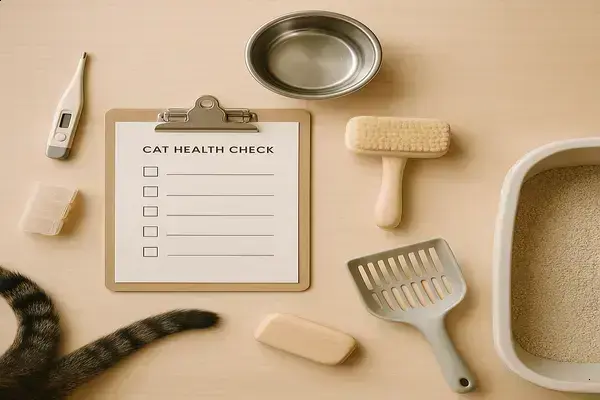
It’s 2 a.m.—your cat skips dinner, hides under the bed, then acts fine at sunrise. You breathe out, but the doubt sticks: were those common cat health problems symptoms just quirks or early red flags?
Here’s the thing: cats are pros at hiding pain, and small changes snowball fast. Waiting can turn a simple visit into an expensive emergency, and that nagging guilt? It lingers. You want clear, calm guidance you can trust—no scare tactics, just what to watch and what to do.
By the end, you’ll confidently spot early patterns, run a quick home check, and know when to call the vet. We’ll map behavior shifts, litter box clues, coat and skin changes, breathing or GI issues, plus a handy tracker. You’ll see the key common cat health problems symptoms that matter most. First up: the quiet red flags you’re most likely to miss.
(Learn) Subtle Early Warning Signs Most Owners Miss
It isn’t the dramatic stuff—it’s the whispers. Cats hide pain, so the first clues are small: a missed jump, a cooler water bowl, a sudden nap under the bed.
Why do tiny shifts matter? Early physiology changes—like polydipsia (drinking more) or tachypnea (fast breathing)—often appear days before anything obvious. The American Association of Feline Practitioners notes that behavior and litter-box changes commonly show up before a clear diagnosis.
- Quieter Jumps Or Hesitation: Pausing before leaping to a favorite perch can hint at arthritis or soft-tissue pain—even in middle‑aged cats.
- Water And Urine Pattern Shifts: Bigger clumps, more frequent pees, or thirst spikes point toward kidney disease or diabetes. Tiny clumps may signal dehydration.
- Subtle Breathing Changes: Resting rate over ~30 breaths per minute, or belly effort while sleeping, can indicate pain, asthma, or heart trouble.
- Coat And Grooming: Greasy patches, dandruff, or overgroomed bald spots suggest stress, skin disease, or discomfort that your cat can’t show otherwise.
- Mouth Clues: Dropping kibble, drooling, or new halitosis often means dental disease; oral pain can tank appetite fast.
- Stool And Vomit “Routine”: Hairballs more than monthly, new constipation, or loose stools are not normal—they’re data points.
- Eye And Lid Signals: One pupil larger than the other or the third eyelid peeking can be a red flag for eye pain or systemic illness.
- Social Shifts: A cuddler who hides, or a loner who clings, often signals nausea, anxiety, or pain.
⚠️ Important Warning: If a cat won’t eat for 24 hours—or a male cat strains in the box with tiny dribbles—treat it as urgent. Cornell University College of Veterinary Medicine warns that fasting risks hepatic lipidosis, and urinary blockage can be life‑threatening.
Picture this scenario: your easygoing tabby “Milo” starts drinking a bit more, sleeps by the heater, and skips the windowsill. You count 32 breaths per minute at rest—borderline. You log it, call veterinary telehealth for triage, and book a same‑day wellness exam with basic labs (CBC, chemistry, urinalysis). Catching it now may mean medical management over an emergency visit—and a lower pet insurance deductible hit.
For diagnosis and treatment, consult a licensed veterinarian; telehealth can guide triage, but it can’t replace an in‑person exam.
Here’s the thing: mapping these common cat health problems symptoms turns guesswork into a pattern you can act on. But there’s one detail most owners completely overlook until it’s too late…
(Do) At-Home Head-To-Tail Check: A Two-Minute Routine
What if a two-minute habit could catch trouble before it snowballs? That’s the goal—turn tiny clues into clear next steps you actually trust.
Do this when your cat is calm and resting. Same time daily is best, because patterns beat hunches. You’ll log short notes—nothing fancy.
What you need (60 seconds to gather):
- Phone timer or stopwatch
- Notebook or pet health app
- Good light near the resting spot
- Clean view of the chest and litter area
Your Two-Minute Head-to-Tail Flow
- Stand Back (10 seconds): Watch posture and gait if your cat moves. Note hesitations, missed jumps, or stiffness—early musculoskeletal flags.
- Count Breaths (30 seconds): While asleep, count chest rises for 30 seconds and double it. Under 30 at rest is typical; effort or wheeze suggests airway or pain issues.
- Eyes, Ears, Nose (15 seconds): Look for discharge, squinting, ear tilt, or crusting. One dilated pupil or third eyelid showing? Log it.
- Mouth And Gums (15 seconds): If allowed, peek. Pink, moist gums are good. Tacky gums suggest dehydration; foul odor hints at dental disease. Capillary refill of ~1–2 seconds is normal.
- Coat And Spine (20 seconds): Glide fingers along back and hips. Greasy mats, dandruff, or flinching can mean pain or stress. Quick skin-tent on the neck checks hydration.
- Paws And Pads (10 seconds): Look for swelling, cracks, or litter stuck between toes—small things that change mobility fast.
- Abdomen + Litter Snapshot (20 seconds): Gentle touch for guarding. Then glance at the box: clump size and count today versus your normal baseline; note stool shape.
- Weekly Weigh-In (optional): Use a baby scale or “you + cat – you” method once a week. Sudden loss is a key metabolic clue.
💡 Pro Tip: Track Resting Respiratory Rate with your timer; under 30 is typical for healthy adults. The American Association of Feline Practitioners and Cornell University College of Veterinary Medicine highlight RRR as a sensitive early marker for cardiac and respiratory change.
In practice: you start the check, log 34 breaths per minute, and notice bigger litter clumps. It’s not panic—just data. You flag a trend and plan a wellness visit if tomorrow matches.
This quick flow turns vague worries into a record of common cat health problems symptoms you can act on. And this is exactly where most people make the most common mistake…
(Decide) When To Call The Vet Versus Monitor At Home
So when do you wait, and when do you go now? Here’s the thing—small numbers guide big choices. A few thresholds make the decision clear.
The truth is: timing matters. According to the American College of Veterinary Emergency and Critical Care and International Cat Care, early respiratory and urinary signs carry the highest risk.
| Emergency — Go Now | Call Vet Same Day | Monitor 24–48 Hours |
|---|---|---|
| Open‑mouth breathing, blue/pale gums, RRR ≥ 40 | RRR 30–39 with mild effort | RRR < 30, normal pattern |
| Male cat straining/no urine; bloody urine with distress | Increased frequency, larger clumps, or visible blood but comfortable | Slight clump change; drinking a bit more |
| 3+ vomits in 24h, vomit + lethargy, suspected toxin | 1–2 vomits plus appetite drop | Single vomit; appetite normal |
| Collapse, severe pain, trauma, seizures | Limping, painful mouth, missed jumps | Stiff after play; improves overnight |
| Not eating + vomiting or any kitten fasting ≥ 12h | Adult not eating for 24h | Eating slower but still finishing meals |
| Skin tent > 3 sec, sunken eyes | Tacky gums, reduced water intake | Drinking slightly less; behavior normal |
Need a simple path to decide fast? Use a quick triage loop and stick to it—no second‑guessing at 2 a.m.
- Count breaths for 30 seconds: Double the number. Note effort or noise.
- Check litter data: Clump size, frequency, any blood. Compare to your baseline.
- Scan appetite and energy: Refuses food, hides, or seems painful?
- Run a hydration check: Gum moisture and skin‑tent time.
- Choose the lane: Table says emergency, same‑day call, or 24–48h monitor with notes.
⚠️ Important Warning: Open‑mouth breathing, a male cat producing no urine, or suspected toxin exposure are medical emergencies—don’t wait. These can deteriorate in hours.
In practice: you log an RRR of 34 with mild belly effort, one vomit overnight, and larger urine clumps. You skip the ER fee, book a same‑day exam, and ask about chest radiographs, urinalysis, and a baseline chemistry panel—smart, measured, insured.
Use the thresholds, not your stress level. But there’s one detail most owners completely overlook until it’s too late…
(Get) Symptom Tracker And Care Checklist You Can Use Today
Want something you can use today—not next week? Here’s the thing: a simple tracker turns vague worries into patterns your vet can read fast.
You’ll capture the same core metrics daily, then review weekly. The American Association of Feline Practitioners and International Cat Care both emphasize trend monitoring over one‑off notes—it’s the change that matters.
| Metric | Where To Log | Alert Threshold |
|---|---|---|
| Resting Resp. Rate (RRR) | Daily entry (sleeping) | ≥ 30 sustained; ≥ 40 urgent |
| Litter Clumps | Count + size notes | +50% size or no urine (male) |
| Appetite & Water | % of usual intake | Refuses food 24h (adult) |
| Vomiting/Stool | Frequency + description | > 2 vomits/24h; blood in stool |
| Behavior Change | Hiding/clingy scale 0–3 | Score 2–3 for 24h |
| Weight | Weekly ounces/grams | ≥ 5% loss in 2–4 wks |
How To Use The Tracker
Set a two‑minute window after dinner. Same time, same spot—consistency makes patterns pop.
Daily checklist:
- Record RRR while your cat sleeps.
- Note appetite (% eaten) and water bowl level.
- Log litter clump count and any blood or straining.
- Tag behavior (0–3): playful, normal, clingy, hiding.
Weekly checklist:
- Weigh your cat and compare to last week.
- Scan the week for streaks—two or more days trending up or down.
- Summarize in one line: “RRR 28–32, clumps larger, appetite 80%.”
💡 Pro Tip: Use the same units and timing every day, then export or photograph your log before appointments—clean data speeds decisions, reduces diagnostic guesswork, and can support a pet insurance claim.
Where to keep it: print on a clipboard by the litter box, or use a pet health app with daily reminders. Back it up to your phone’s notes for quick sharing during a wellness exam or telehealth triage.
Who benefits most: senior cats, diabetics, cardiac or renal cases, and multi‑cat homes where clumps and bowls blur together. Customize fields—add “insulin dose,” “cough episodes,” or “hairball frequency” if they apply.
In practice: three quiet days show RRR 31–33, larger clumps, and 10 ounces lost in a month. You email the summary; your vet orders a chemistry panel and urinalysis the same day—measured, timely, calm. What actually works might surprise you…
(Learn) Prevention That Works: Vaccines, Parasites, Nutrition, And Litter Box Clues
Prevention isn’t dramatic—it’s steady. You build health with small, repeatable moves that catch problems early and keep costs low. Simple? Yes. But only if you know what to prioritize—and when.
Vaccines first. Core shots like FVRCP (feline viral combo) and rabies protect against severe disease; FeLV (feline leukemia) is core for kittens and recommended for at‑risk adults. Typical plan: kitten series at ~8, 12, 16 weeks, booster at 1 year, then every 1–3 years based on risk and local law, per AAHA/AAFP Feline Vaccination Guidelines and WSAVA.
Your Prevention Snapshot
| Area | Key Action | Typical Interval |
|---|---|---|
| Vaccines | FVRCP, Rabies; FeLV for risk | 1–3 yrs after 1‑yr booster |
| Parasites | Flea/tick, heartworm, deworm | Monthly; fecal every 6–12 mo |
| Nutrition | Wet food + measured calories | Daily; weight weekly |
| Dental | Toothbrushing or VOHC diet | Daily; exam every 6–12 mo |
| Litter Box | Scoop, track clump size/count | Daily; review weekly |
Parasites that matter: Even indoor cats get fleas (window screens, visitors), and fleas can carry tapeworms. Use a broad‑spectrum preventive; heartworm is uncommon in cats but serious—monthly prevention is low effort insurance in many regions, says the Companion Animal Parasite Council.
- Deworm smart: Kittens: every 2 weeks to 8 weeks, then monthly to 6 months (pyrantel/praziquantel as directed).
- Feed for health: Aim ~20 calories per pound of ideal weight daily; favor wet food for hydration and urinary support.
- Dental basics: Toothbrushing beats all; look for VOHC‑accepted products when brushing isn’t possible.
- Litter clues: One box per cat +1, unscented fine clumping, scoop daily; bigger clumps or straining deserve attention.
💡 Pro Tip: Put vaccines, parasite doses, and weigh‑ins on the same monthly reminder—stack habits so nothing slips in a busy week.
In practice: your indoor cat moves to a balcony home and starts itching. You add monthly flea prevention, schedule a FeLV risk review, and switch half the diet to wet food. Within two weeks, clumps normalize—and the scratching fades.
Prevention thrives on rhythm, not heroics. But there’s one detail most owners completely overlook until it’s too late…
Here’s the quick wrap-up: spot subtle shifts, run the two‑minute head‑to‑tail check, and use clear thresholds and prevention basics to act early on common cat health problems symptoms. If you take just one thing from this guide, let it be: trends beat hunches—log small changes and act on thresholds.
Before, every odd meow or skipped jump felt random and scary. Now you’ve got a simple system: daily breaths and litter notes, weekly weight, and a plan for vaccines, parasites, and food. Decisions get easier. Emergencies stand out. You save money, stress—and yes, you sleep better.
Which habit will you start this week—the two‑minute check, tracking resting breaths, or tightening your prevention calendar? Tell us what you’ll try first in the comments!

About the Author: Morgan Ellis is a pet care enthusiast dedicated to helping everyday owners build confident, organized routines for their dogs and cats. With a passion for practical, vet-informed guidance, Morgan helps pet parents navigate the joys and challenges of pet ownership with clarity and ease.