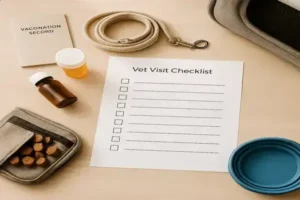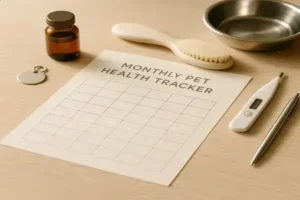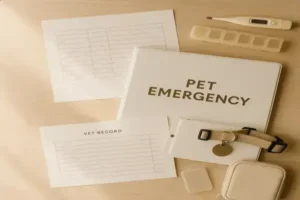
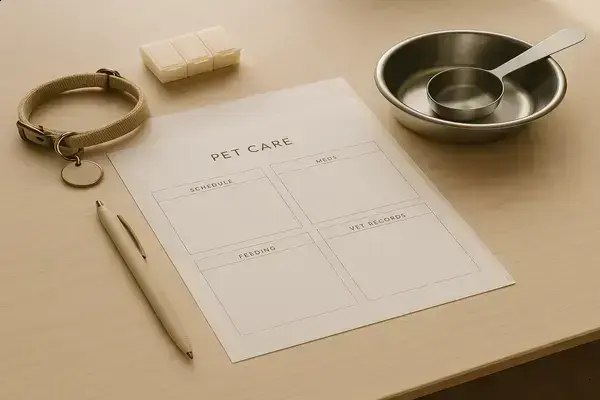
7 a.m. and chaos—meds due, bowls empty, a vet reminder blinking. You think, there has to be an easier way. A pet care planner printable free that actually fits your morning rhythm.
When pet tasks live in sticky notes, random apps, and your memory, things slip. Missed doses cost money, last-minute food runs waste time, and training backslides. It’s not you; it’s a system that doesn’t match your day.
By the end, you’ll map a simple, flexible system—weekly and monthly pages, meds logs, feeding trackers, vet records—that syncs with your routine. You’ll get a clean, printable setup and know exactly how to use it, including a pet care planner printable free you can start today. Ready to build yours?
(Learn) Why A Pet Care Planner Works Better Than Memory And Apps Alone
Be honest—how many times have you trusted your memory or a push notification and still missed a dose, a nail trim, or a refill? It’s not laziness. It’s cognitive load and context switching.
Apps ping at the wrong moment, then disappear. Memory fades (the forgetting curve is brutal), and shared care gets messy fast. A printable planner lowers mental effort, centralizes the plan, and makes caregiver handoff crystal clear.
Picture this scenario: your dog needs heartworm prevention on the 15th. You snooze the app while driving. Later, you forget. A sitter arrives next week and asks for “the list.” Your binder—feeding, meds, vet records—means zero guesswork and no last‑minute texts.
| Option | Strengths | Hidden Gaps |
|---|---|---|
| Memory | Instant, free, flexible | Recall bias; no audit trail; fails under stress or travel |
| Generic Apps | Reminders; sync across devices | Notification fatigue; poor vet record fit; weak caregiver handoff |
| Printable Planner | Tangible; visible; easy to share | Needs weekly review; must stay in one location |
Here’s the thing: paper wins at visibility. When the planner lives by the food bin, everyone follows the same schedule—feeding, meds, grooming, even SKU tracking for food and litter.
- Write every recurring task: feeding times, heartworm, flea/tick, grooming, training.
- Mark due dates that slipped last month; note why.
- Add vet visit costs, vaccine due dates, and refill thresholds.
- Test a caregiver handoff: could a friend follow your pages without you?
- Choose a single storage spot near supplies for daily visibility.
💡 Pro Tip: The American Psychological Association describes steep memory decay within days, while the AVMA links clear routines to better medication adherence. Externalize your plan—don’t rely on recall alone.
Worth noting: for medication schedules or chronic conditions, follow your veterinarian’s guidance; this planner complements professional care, not replaces it.
The truth is, the planner isn’t just “pretty.” It raises compliance, reduces missed doses, and smooths boarding and grooming appointments—often saving money on avoidable rechecks and rush refills. But there’s one detail most owners completely overlook until it’s too late…
(Do) Set Up Your Planner: Core Sections, Time Blocks, And Habit Hooks
You’re setting this up today—not next month. Start with Core Sections, Time Blocks, and Habit Hooks. Simple beats complicated when life gets loud.
Here’s the thing: time blocks cut decision fatigue, while habit hooks—tying tasks to things you already do—make care automatic. Coffee, walk, lights-out? Those are anchors you won’t forget.
Core Sections You Need
- Daily Care Log (meals, walks, litter, training reps)
- Meds & Supplements (dose, frequency, start/end dates)
- Feeding & Inventory (brand, portion, refill threshold)
- Grooming & Hygiene (nails, teeth, baths, brushing)
- Vet & Vaccines (due dates, lab results, follow-ups)
- Behavior & Enrichment (notes, triggers, progress)
- Emergency & Sitter Sheet (contacts, routines, cues)
Grab these first:
- Printer + 1″ binder or sturdy clipboard
- Five tab dividers + plastic sleeves
- Pen + fine-tip marker (for laminated pages)
- Pill organizer, measuring scoop, sticky flags
Step-by-Step Setup
- Block 20 minutes. Clear a flat surface near food or leashes—visibility drives use.
- Print one month of daily logs, one meds page per pet, and a single vet tracker.
- Label dividers by section; place meds and daily log in front for quick reach.
- Create three Time Blocks: Morning, Midday, Evening. Slot only what actually happens.
- Add Habit Hooks: tie tasks to anchors (coffee brew, lunch plate, TV off) and note them in the margin.
- Do a dry run tonight. If any step feels fussy, remove friction—shorter boxes, fewer fields, or move the binder closer.
In practice: picture two cats on different diets. Morning coffee finishes; you scoop measured portions, tick the daily log, and set a sticky flag when kibble hits the refill line. Evening TV clicks off; thyroid pill, mark dose, quick play—done.
| Time Block | Anchor Habit | Typical Tasks |
|---|---|---|
| Morning | Coffee brew | Feed, meds check, water refresh |
| Midday | Lunch plate down | Walk/litter, training reps, inventory glance |
| Evening | TV off / lights-out | Second dose, grooming quick win, next-day prep |
💡 Pro Tip: The AAHA preventive care guidelines and AVMA adherence research both point to consistency—keep the planner within arm’s reach of supplies to raise follow-through.
The truth is, the system works when anchors are real, not ideal. And this is exactly where most people make the most common mistake…
(Decide) Choose Your Format: Printable Sheets, Binder System, Or Hybrid Digital
Stuck choosing between loose printables, a binder, or yet another app? Here’s the truth: the best format depends on your daily rhythm—not what looks cool. Pick well and you’ll reduce missed meds, avoid refill scrambles, and tame the real cost of care.
So what actually fits your day? Think visibility, caregiver handoff speed, and how often you travel—those three levers decide almost everything. Compare the trade-offs before you print a single page.
| Option | Best For | Trade-Offs |
|---|---|---|
| Printable Sheets | Solo owners who want ultra-low friction and quick updates near food bins | Easy to misplace; limited archiving; needs weekly refresh |
| Binder System | Households with sitters; boarding and grooming appointments; long-term records | Takes shelf space; needs plastic sleeves and tabs; periodic purge |
| Hybrid Digital | Teams and travelers using Apple Reminders, Google Calendar, or Notion | Battery and notification fatigue; learning curve; scattered if poorly set |
How to Pick in 60 Seconds
- Choose Printable Sheets if you need instant visibility by the bowls and want one-touch checkboxes.
- Go Binder if multiple people help, you keep veterinary records, and you value a clean audit trail.
- Pick Hybrid if you rely on calendar invites, share tasks, and travel often—sync reminders, keep the binder as the physical hub.
- Prioritize inventory tracking (food, litter, meds) if autoship timing and refill spend keep biting your budget.
- If a sitter could arrive tomorrow, choose the option a stranger can follow in 60 seconds.
In practice: a Friday sitter texts, “Anything special?” You reply with a photo of the binder’s sitter sheet—doses, cues, emergency contact—then let Apple Reminders ping the evening pill. Zero back-and-forth, zero risk.
💡 Pro Tip: AAHA preventive-care guidance and AVMA adherence insights both favor clear, centralized records—park the binder where care happens, and mirror only time-sensitive items in digital reminders.
The truth is, your format should shrink cognitive load and speed handoffs—not create new chores. But there’s one detail most owners completely overlook until it’s too late…
(Get) Ready-To-Print Templates: Daily Care, Meds Log, Feeding Schedule, Vet Records
You want plug-and-play pages that save time—without another app. These ready-to-print templates do the heavy lifting so you don’t miss doses, overfeed, or scramble before vet day.
Which pages do you actually need daily versus weekly? Here’s the simple split that keeps your routine lean and compliant—no fluff, just the fields that matter.
What’s Inside Each Template
- Daily Care Log: date, AM/PM checkboxes, walks/litter, water refresh, training reps, enrichment notes, behavior cues.
- Meds & Supplements Log: drug name, active ingredient/concentration, dose (mg or ml), route (oral/topical), frequency, start/stop, side effects, refill threshold.
- Feeding Schedule: brand/formula, calories per cup, portion in grams, treat budget (kcal/day), autoship date, inventory count.
- Vet Records: vaccine tracker, weight, body condition score (1–9), lab results (fecal, heartworm SNAP), microchip, insurance claim number.
In practice: your senior cat is on a renal diet and your dog takes levothyroxine. You weigh meals in grams, tick the AM pill, and the refill threshold hits seven days—so you note “call pharmacy.” At the checkup, you hand over the weight trend and vaccine dates, then file the invoice for a pet insurance claim in seconds.
- Print 12 weeks of Daily Care and 1 page per medication—US Letter or A4.
- Lamination hack: slip Daily Care in a sleeve and use a fine-tip wet-erase marker.
- Color-code by pet (blue dog, green cat) and add a tiny dot on every page corner.
- Set Sunday “Reset” for 10 minutes: archive last week, pre-fill doses and autoship.
- Store everything by the food bin or leash hook—visibility beats perfection.
💡 Pro Tip: Record food by grams and meds by mg or ml; include the concentration (e.g., 2.5 mg/tablet). AAHA nutrition guidance and WSAVA vaccination guidelines both benefit from precise, consistent recordkeeping.
Why this works: it boosts medication adherence, tightens inventory control, and reduces last-minute spend on rush refills—real savings when autoship, prescription diets, and flea/tick preventives add up.
Customize for life-stage: puppies/kittens add vaccine series dates; seniors track pain scores and mobility notes; allergic pets log flare triggers and antihistamine dosing. Keep the audit trail clean so claims, wellness plan visits, and boarding forms are frictionless.
What actually works might surprise you…
(Do) Keep It Working: Weekly Reviews, Quick Edits, And Real-Life Troubleshooting
Plans don’t fail from lack of love—they fail from friction. A short weekly review keeps your planner aligned with real life, not the life you wish you had.
How do you know it’s working? Look for adherence signals—clean checkmarks, fewer “missed” notes, stable inventory, steady weight trends. Small edits beat big overhauls every time.
In practice: evenings kept slipping, so you shifted the thyroid pill to the morning coffee block, moved the binder beside the scoop, and added a green sticky flag for refills. Missed doses dropped to zero last week.
Your 10-Min Weekly Review
- Scan daily logs; circle misses and write one cause (late home, travel, forgot).
- Check weight notes and stool quality; if portions drifted, tighten back to grams.
- Count meds: pre-fill next week’s boxes and set a 7‑day refill threshold.
- Audit food/litter inventory and jot the autoship date where you can see it.
- Adjust time blocks—merge steps or move tasks to an anchor you never skip.
- Refresh the sitter sheet: confirm doses, feeding cues, and emergency clinic.
- Archive last week; start a clean page so trends stay readable.
| Symptom | Likely Cause | Quick Fix |
|---|---|---|
| Evening dose missed | Weak anchor; end-of-day fatigue | Move dose to morning coffee or lunch plate |
| Double feeding | No shared record | Initials next to meals; place log by bowls |
| Food runs out early | Portion creep; no inventory check | Weigh in grams; set a refill flag at 7 days |
| Sitter confusion | Too many pages | One-page summary; highlight dose times |
| Weight trending up | Treats not tracked | Set a daily kcal cap; log high-value treats |
- Use wet-erase on daily pages to avoid reprinting.
- Color-code by pet and by urgency (red = time-sensitive).
- Keep the binder within arm’s reach of supplies—visibility drives use.
💡 Pro Tip: AVMA adherence insights and AAFP feline-friendly guidelines both point to consistent cues and simple checklists as the fastest path to reliable dosing—reduce steps, raise follow-through.
The truth is, steady routines beat motivation—every single week. But there’s one detail most owners completely overlook until it’s too late…
You learned three things that actually stick: paper beats memory and random pings; the right format matches your daily rhythm; and small weekly reviews keep everything honest. If you take just one thing from this guide, let it be: build your system around real anchors and visibility, not motivation. Start with a pet care planner printable free near the bowls.
Before, care lived in your head and in scattered apps—missed meds, double feedings, last‑minute refills. Now you’ve got clear time blocks, simple habit hooks, and templates that cut the guesswork. Fewer decisions. Less stress. A sitter could walk in tomorrow and nail the routine.
Which template are you printing first—Daily Care, Meds Log, Feeding Schedule, or Vet Records—and can you share why in the comments?

About the Author: Morgan Ellis is a pet care enthusiast dedicated to helping everyday owners build confident, organized routines for their dogs and cats. With a passion for practical, vet-informed guidance, Morgan helps pet parents navigate the joys and challenges of pet ownership with clarity and ease.